
Solar Estimates for Businesses
Not all Estimates are Created Equal
So you have gotten your solar estimate and you have been told you need X amount of solar panels and it will produce Y amount of electricity every year! By investing in solar now you can save $$$.
There are a few things you might want to consider when reviewing the proposal.
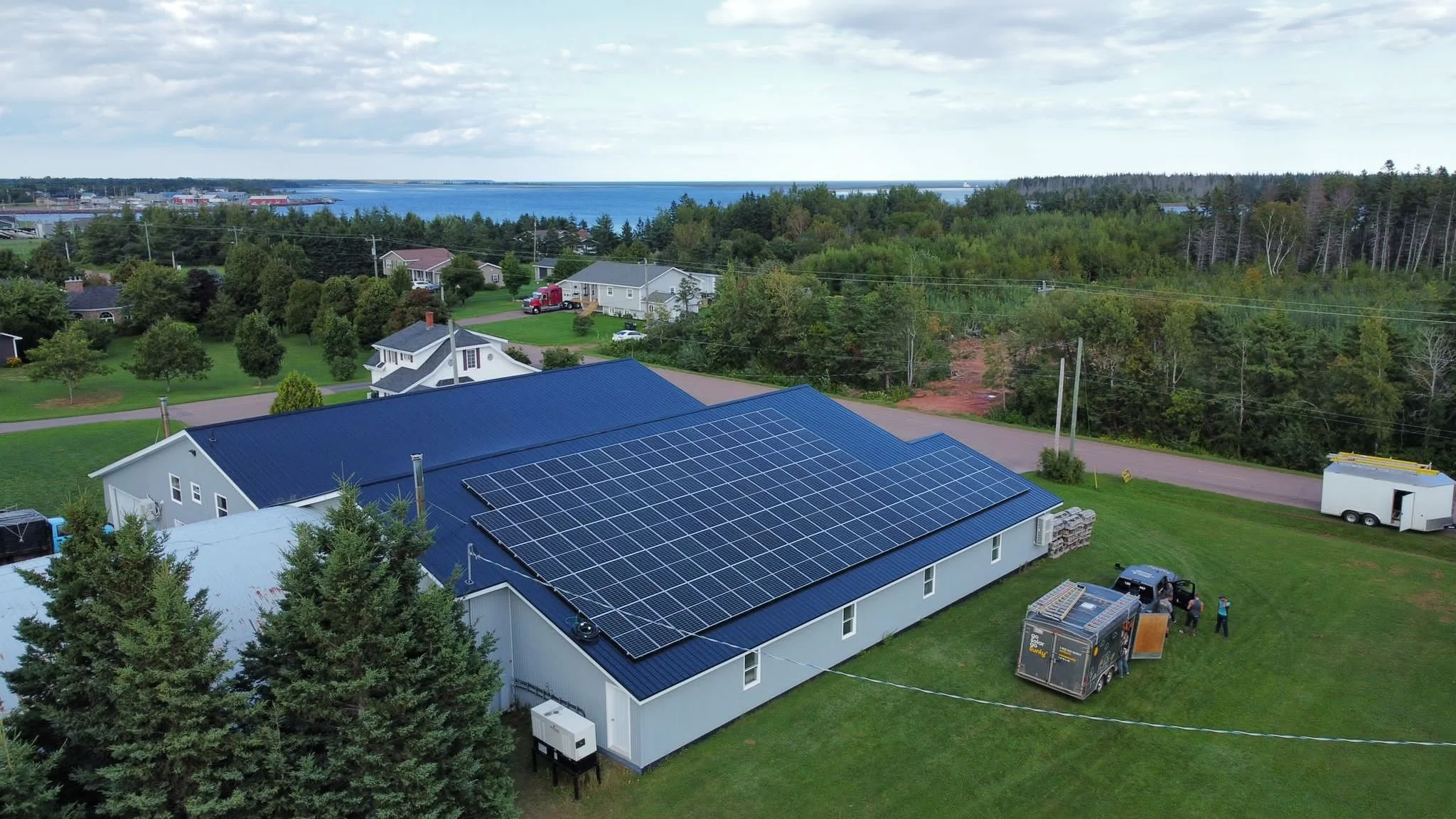
Do they have a picture of your roof with the proposed layout of the solar panels? Are they covering anything important, like a vent or a skylight?
We have done initial proposals before where we identified the roof from a satellite image and it was the wrong roof. This was either because the pin fell on the wrong property or it was outdated. Now we always confirm the view of the property with the business owner before even preparing a proposal. If you don’t see an aerial view of your roof then don’t assume the system is the right size.
Does your proposal include factors like shading, weather, roof pitch and direction?
Shading: If a tree is blocking the sun from 20% of your panels for half the day then those panels are not going to be optimally producing. It is best practice to put panels in places with the highest exposure.
Weather: Anything that gets between the sun and your panels will impact their production. If it always feels gloomy in your area because of snow/rain then your panels will probably feel this way too. It doesn’t mean solar panels don’t make financial sense, it is just a factor estimators need to consider. Luckily there are heaps of weather data and irradiance data that is put into a proper assessment to ensure accurate estimates.
Roof Pitch and Direction: The optimal pitch or slope varies depending on your location/latitude. Knowing the pitch allows for a more accurate estimate. The closer to south your roof is oriented in direction, the higher the production.
With all those factors considered estimates become a lot more reliable. It is important to note that some years the solar system will produce much more than the estimate while some years a little less.
Materials: Not all solar panels and inverters are comparable. There are high quality modelling software systems available that allow an installer to include the actual products being quoted as well as the electrical configuration and weather loses. This allows for a more accurate estimate of expected annual energy output.
Of course there will always be variables you can’t control such as trees growing over time, new structures being built next to you, or an extra long and gloomy winter/summer.
The main point is at least your estimate has accounted for known factors to allow for a more realistic idea of how much you can save.
When we look at energy output estimates we first look at the energy yield (kilowatt-hour: kWh) per kW of solar panels installed. This is the number that really matters on your solar quote and it is also the number that we often see solar companies inflate because it is very difficult for a client to verify it on their own. Be sure to compare these numbers across estimates and question any differences.
You can also learn more about Sunly and our work.