

Never Be Left Without Power
Get A Battery Solution Tailored To Your Needs
Everyone’s needs are different during an outage. Let our team help you with a battery option that ensures you have the power you need when you need it.
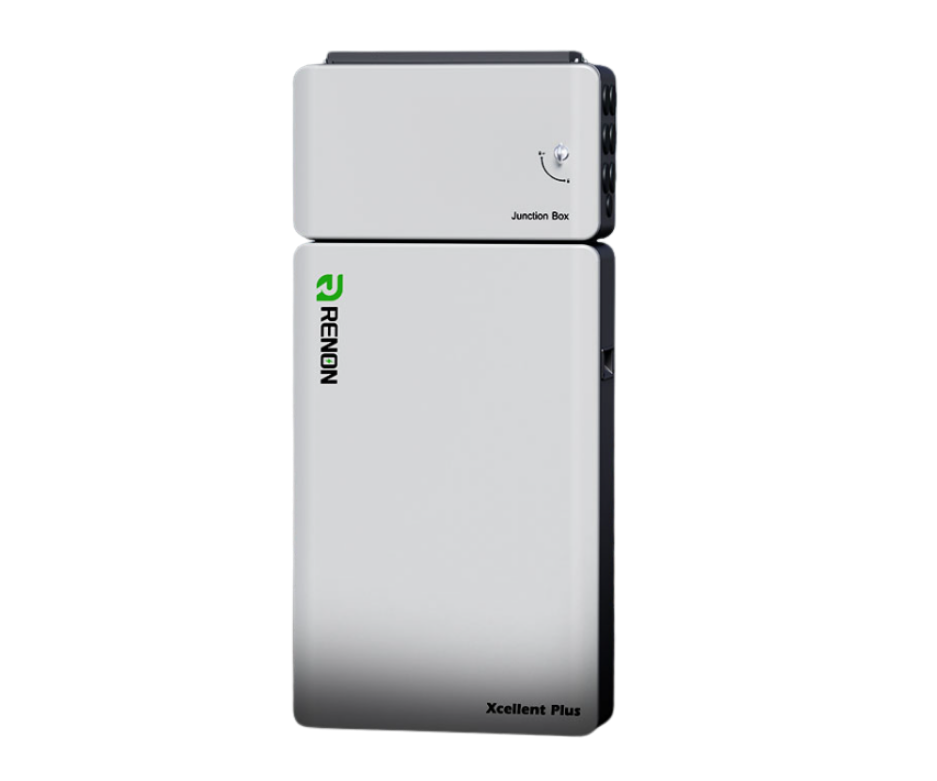
Post-Tropical Storm Fiona Left Atlantic Canada Without Power for Over a Week
When Fiona moved through Prince Edward Island, New Brunswick, and Nova Scotia in September 2022, tens of thousands of homes lost power, and for many the outage lasted more than a week while crews worked through downed lines and blocked roads.
It reached every part of the region we serve: households in Charlottetown and across Prince Edward Island, Saint John and New Brunswick, and Halifax and Nova Scotia went through the same stretch of dark evenings and draining freezers.
A battery switches over automatically the moment the grid drops, so the next storm does not mean waiting on a repair crew before the fridge, furnace, or well pump come back on.
We Make The Process Easy!
Simple, transparent process from estimate to installation
1
We change our habits when the power goes out, so it is important to understand what is essential and what is nice to have.
Think about what you want to power
2
Our advisors will listen to your needs then come up with a plan to keep you powered. They will give you multiple options and the investment required.
Have a meeting with a Advisor
3
Before the project begins we finalize all the details with you so there are no unexpected surprises when the power goes out in your neighbourhood.
Finalize the Quote
How Does The Battery Work With A Solar System?

Day
Use solar energy to power your home
Excess power during the day goes to charge up the battery
Once the battery is fully charged then the excess power starts to go to the grid.

Night
Use the power in the battery to power your home
Use the power from the grid when needed
Power Outage
Inverter switches to be ‘off grid’
Solar will still power your home during the day time
Battery energy will be used when needed
What If I Don’t Have Solar?
Batteries can work independently regardless of if you have solar or not. They provide all the same functions as a gas generator only with way more upside!

Why Should I Get A Battery Instead Of A Gas Powered Generator?
-
Batteries can be set to be charged simply from the grid or from solar. If you don’t have a solar system, the battery will charge up from the grid and remain ready for any power outage.
-
Batteries have no moving parts, unlike generators. Visual inspections that the battery is still sitting there along with an app identifying tech issues that arise is all you need.
-
No lining up at gas stations day after day filling up gas cans to get the generator going.
-
Generators are noisy when they are running. Batteries are essentially silent when they are supplying power to your home.
-
The second the power goes out in your neighbourhood the battery comes on and you won’t even notice. Unlike many generators in which you have to turn on after the power goes out.
-
Your area may or may not have demand based or time of use pricing but when it does this means you can use your battery for peak shaving and time shifts.
RENON POWER
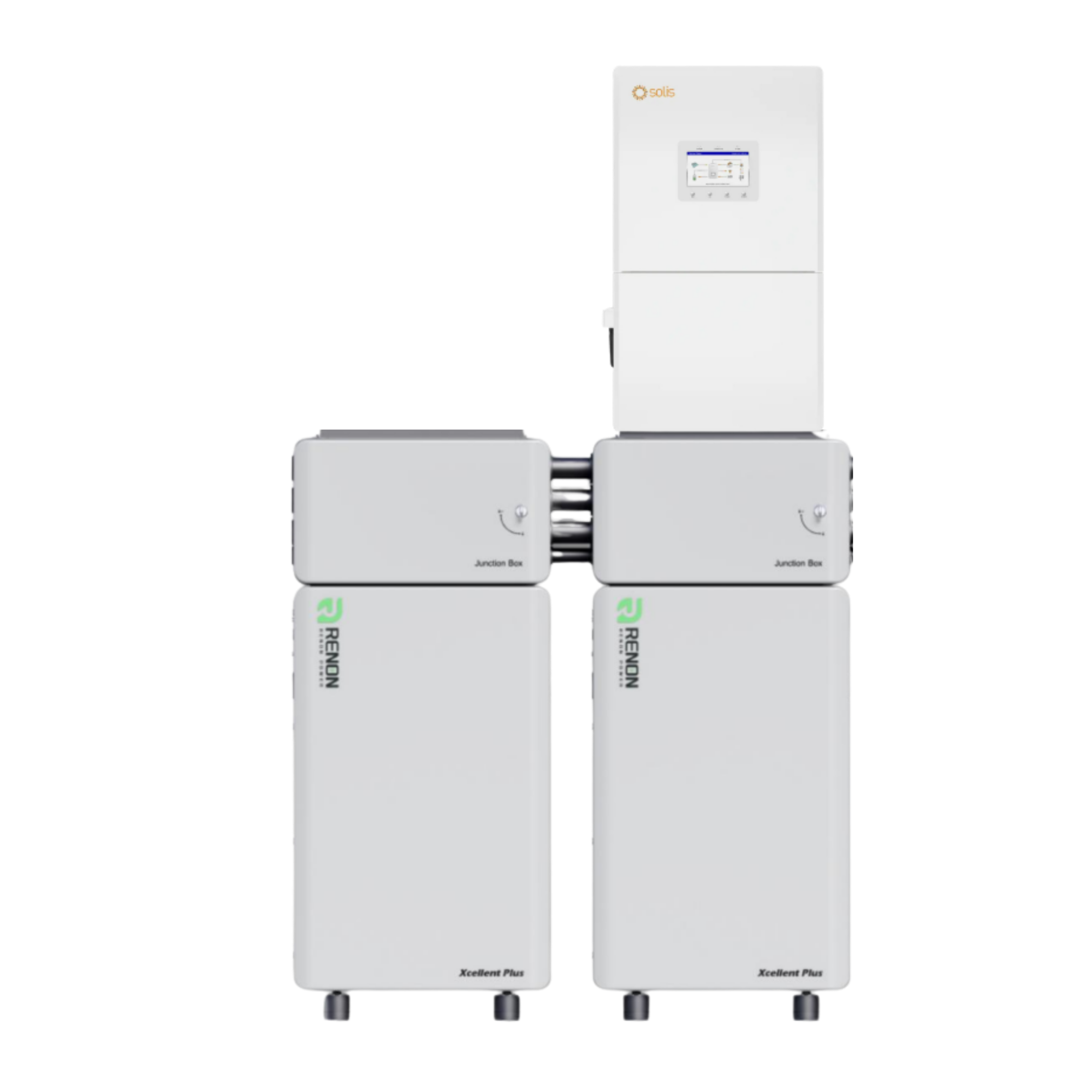
Thanks to the modular design, you can start with a small system and add to it as your family grows. Every battery added connects to your system without energy loss.
9.6kW or 16kW inverters
Depends on the load you will need at any given time
Load? - Think about it as the difference between needing to power 2 heat pumps or 4 heat pumps at once.
16kWh Batteries
Depends on how much usage you will want
Usage? Think about it as how long you expect to need those batteries at any given time.
What will it power?
TV and Internet

180
Fridge
170
Lights

250
Small Appliances
200
Heat Pump

1,200
Can power 2 heat pumps for less time
9.6kW Inverter
16kWh Battery
8 hrs *
9.6kW Inverter
2 x 16kWh Battery
16 hrs *
Est. Power Usage(W)*
Can power 4 heat pumps for less time
16kW Inverter
2 x 16kWh Battery
16 hrs *
16kW Inverter
3 x 16kWh Battery
24 hrs *
*estimate only as loads/quantities vary by home
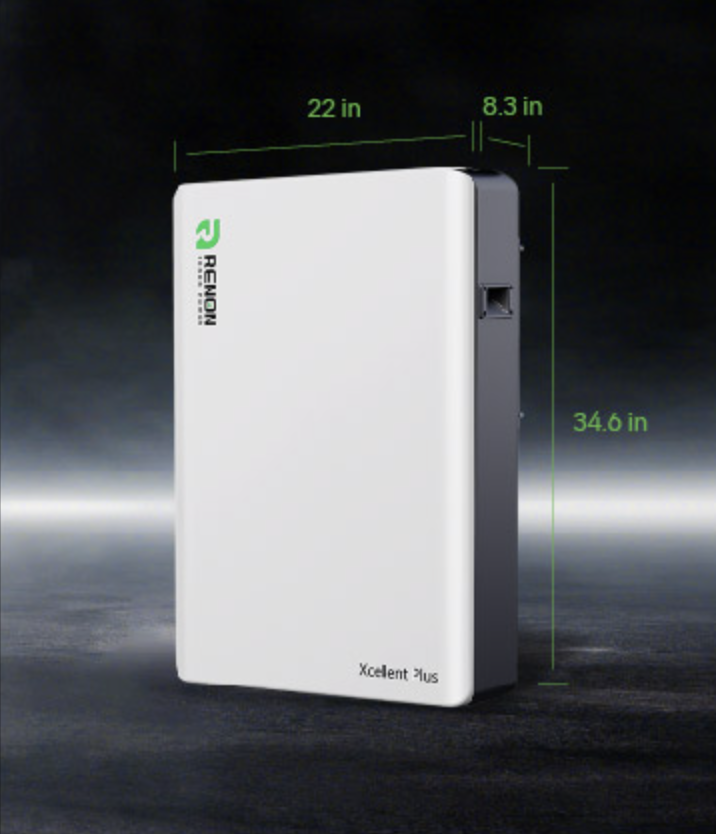
Sleek Design
Modern Aesthetics
No more big clunky systems. These batteries look great and do not take up a lot of space at all while storing all the power you will need.
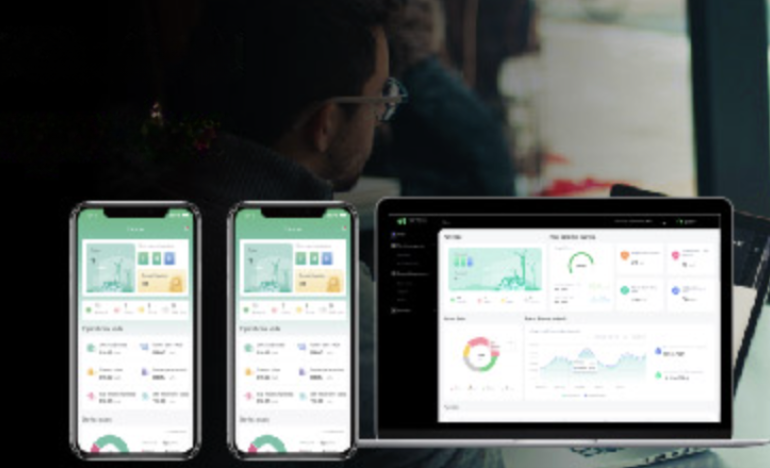
Intelligent Control
At Your Fingertips
Have access to an app on your phone that will allow you to understand the charge in your battery and how you home is using that charge.
Renon Power Features

Dependable Safety
Uncompromising Safety Standards for Maximum Protection

Seamless Expansion
Scale up and add extra storage as you need it

Compact Footprint
Optimized Space Utilization for Better Efficiency

Robust Performance
Reliable and Consistent Efficiency in All Conditions

Warranty
10 year product warranty on storage system
Two Battery Platforms, Chosen for How Your Home Is Built
Sunly installs two battery platforms, and the right one comes down to where it will sit and how much backup the home needs.
Renon Power
An indoor, modular battery bank built for whole-home backup, installed in a basement or utility room and sized to run for roughly 8, 16, or 24 hours depending on the configuration.
Anker Solix
An outdoor, wall-mounted system that starts at 10 kWh and expands to 40 kWh across multiple modules, rated to run at full capacity from -20°C to 55°C and switching to battery power in under 20 milliseconds when the grid drops.
Battery Cost Depends on How Much of the Home You Want Backed Up
A system built to keep the fridge, wifi, and a few circuits running costs less than one built to carry an entire home through a multi-day outage, so Sunly sizes the battery to the house first and prices it from there.
Financing is available to spread that cost into manageable payments, whether the battery is added alongside a new solar panel installation or fitted onto a home that already has one.
Our guide to solar and battery financing walks through how the payment plans work before you commit to a system size.
Frequently Asked Questions About Solar Battery Storage
-
Yes. A battery ties into your existing solar system so the panels charge it directly, instead of sending all of that extra power back to the grid.
-
Permitting and inspection requirements vary by province and utility. Our installers handle that process as part of every battery installation, so you are not tracking down approvals yourself.
-
Anker Solix units are rated to run at full capacity from -20°C to 55°C. Renon Power systems are installed indoors, in a basement or utility room, which keeps them within their operating range through the winter.
-
The battery recharges from solar during daylight hours if you have panels, or from the grid the moment power returns if you don't. Either way, it goes back to standing by for the next outage without you doing anything.
-
Anker Solix is modular, so you can start with one unit and add more as your needs grow. Renon Power is sized at install, so it's worth planning for future use, like a home addition, before that system goes in.
-
No. The battery works alongside your existing utility account. It supplements the grid during an outage, and it does not replace your service or require a new account.
-
Both are silent when supplying power and need little beyond periodic visual checks. The main difference is where they sit: Renon Power is installed indoors, and Anker Solix is designed for outdoor, wall-mounted installation.